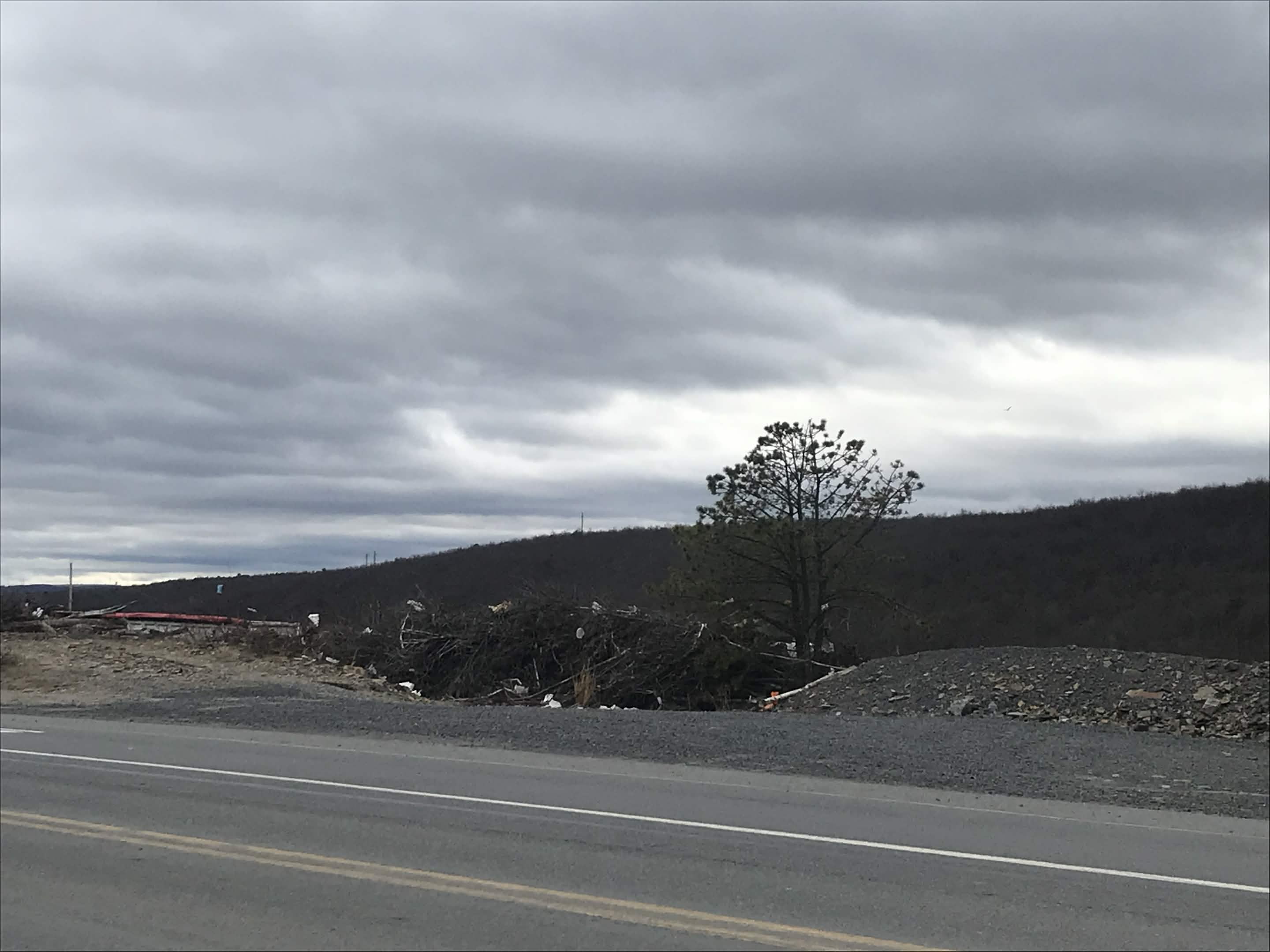
The land
Coal country didn't recover. It got overlaid. A century of mining sits below; the next century of waste is moving in above.
The situation
For more than a century, Schuylkill County helped power America. Anthracite built the towns, fed the families, shaped the people. The coal boom ended decades ago. The extraction did not.
What was once coal country is now where industrial waste comes to land. Trucks on small roads. Dust on the windows. Odors. Noise. Questions about the drinking water that nobody seems to want to answer.
And when neighbors speak up, the answer comes back the same: delay, defer, dismiss. Decisions made long before the public was in the room. Anger gives way to resignation.
Why filmmakers
The real story of the people of Schuylkill County cannot be known from press releases or permit filings. It lives in the landscape, in the public meetings, in the words and experiences of those who were born and raised here. Local families continue the fight against corporate greed and exploitation that began generations ago.
What you'll hear
Neighbors, families, advocates. Real people with drive to preserve beautiful landscapes, pure water, and clean air for their children.
What you'll see
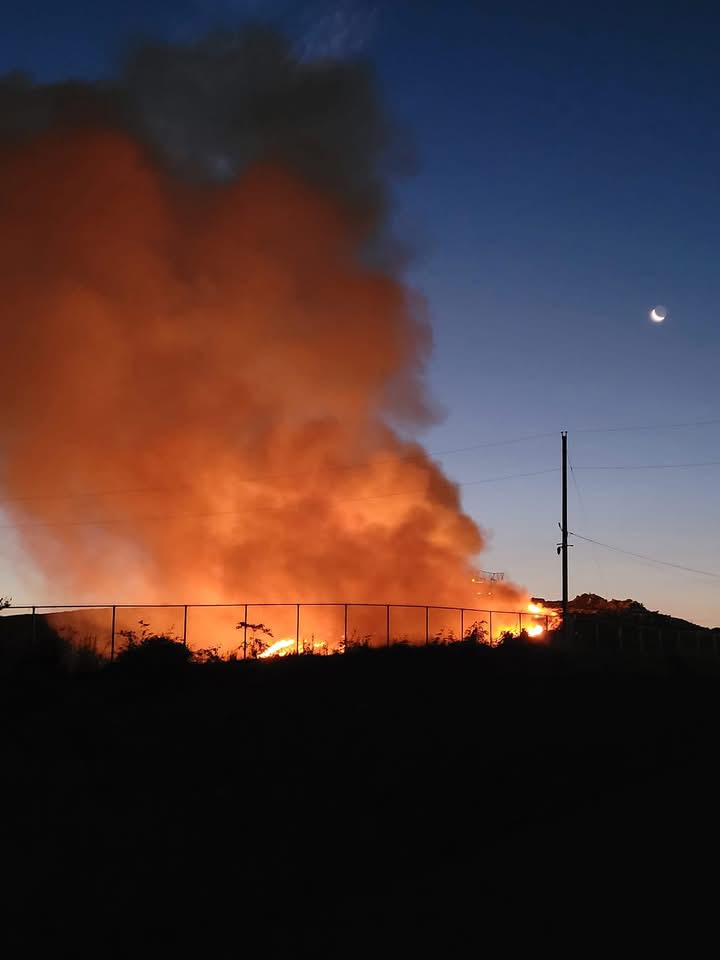
A century of coal under the ground. The next century of waste arriving on top of it. Trucks, fences, fires at night, ridgelines scarred and littered with trash.
What you'll learn
How opinions are weighted in working-class America. Whose health and property is acceptable to put at risk, and who really reaps the alleged benefits?
What you'll find
The land
Coal country didn't recover. It got overlaid. A century of mining sits below; the next century of waste is moving in above.
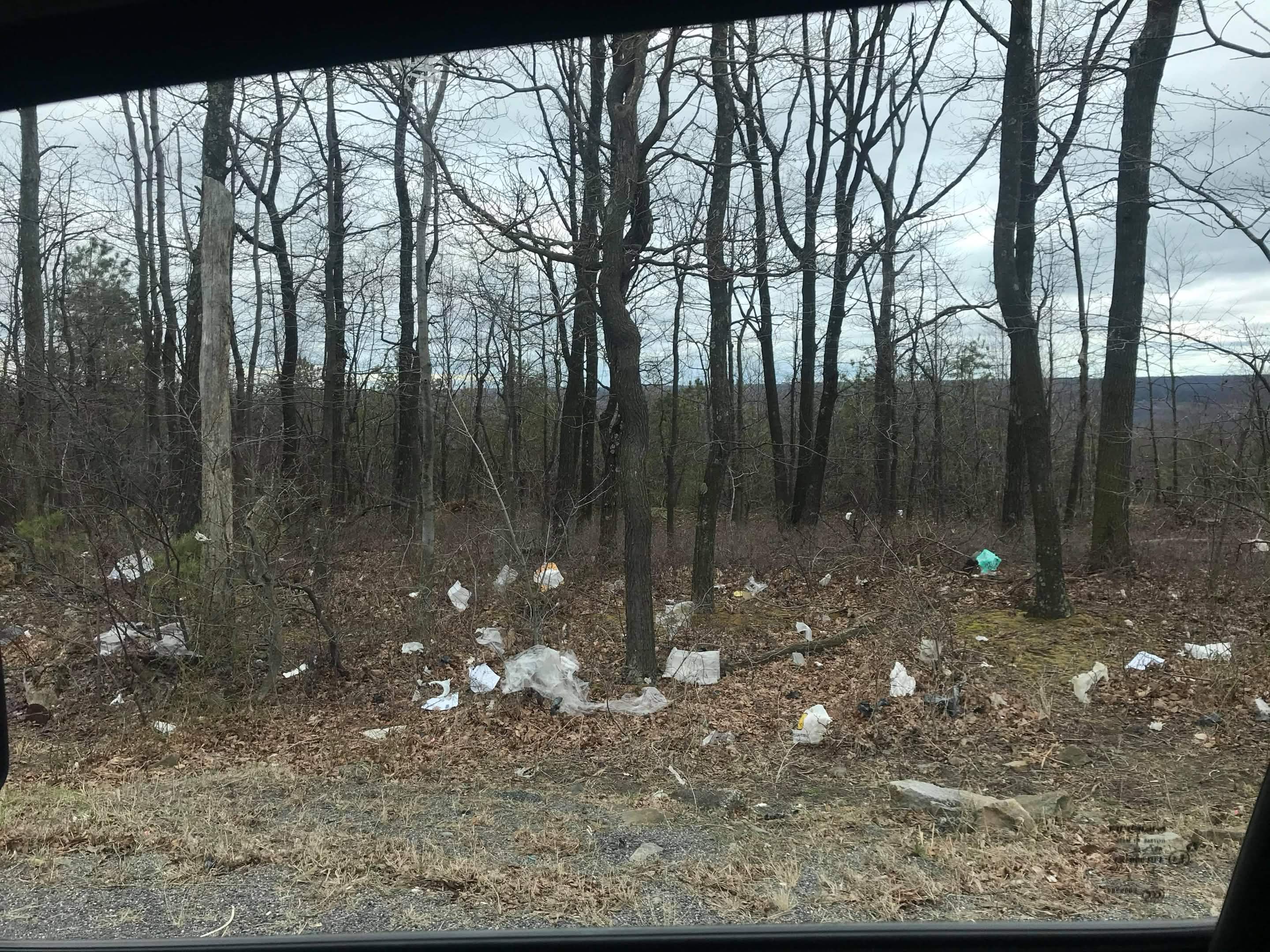
The roads
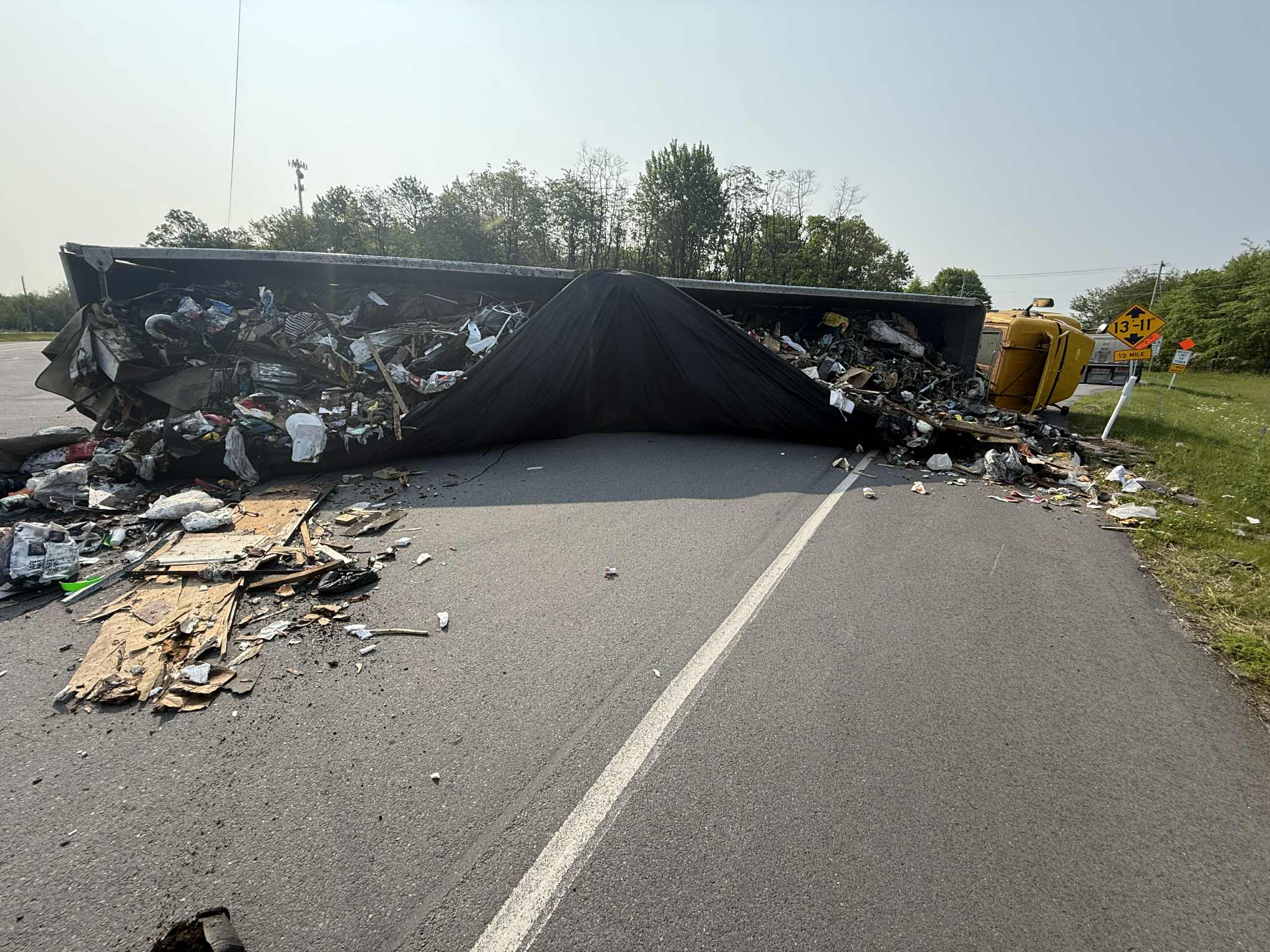
Trash blows out of trucks and into the woods. Fines imposed do not threaten the bottom line of billion-dollar corporations with no motivation other than increasing profits.
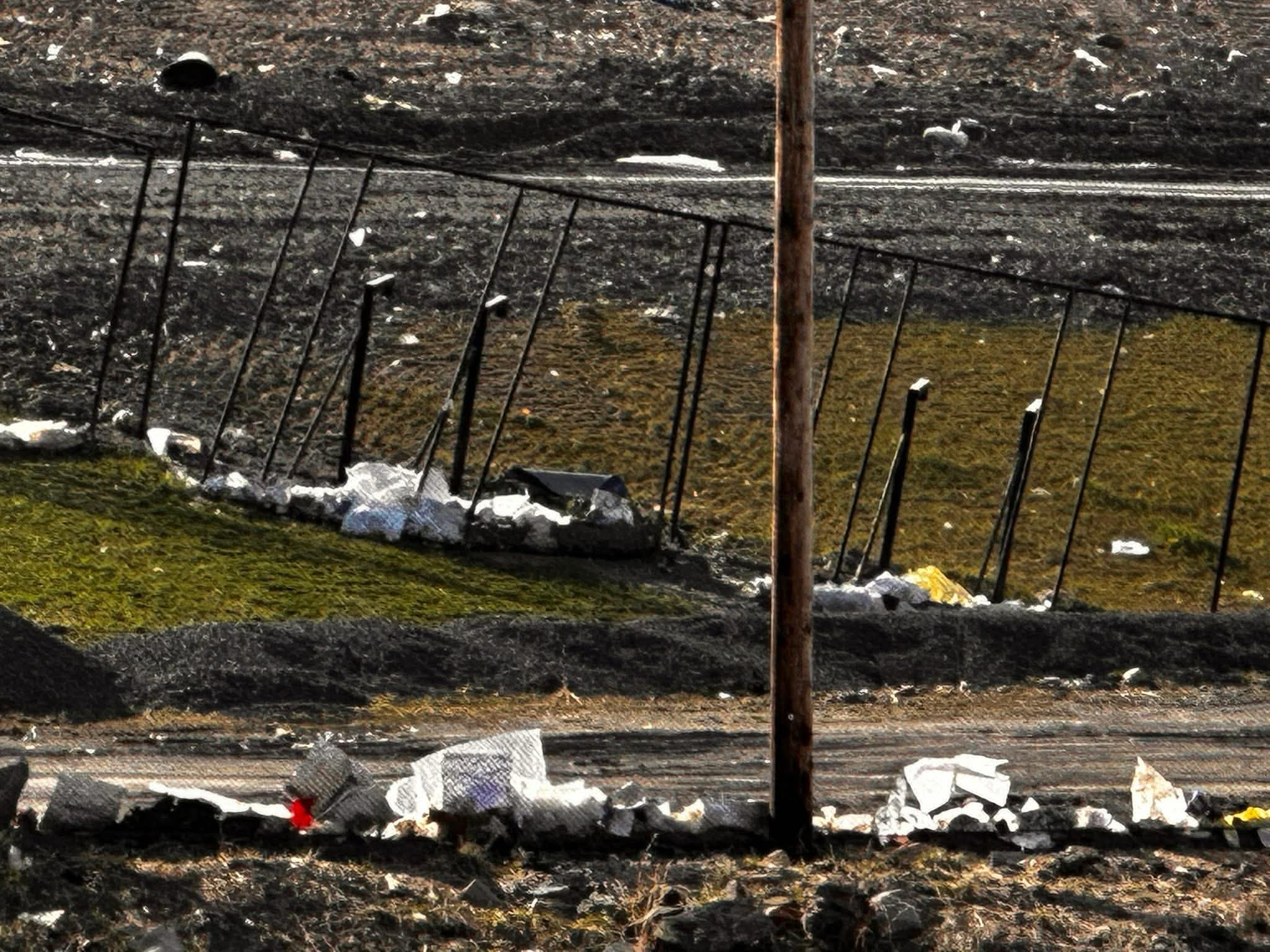
The site
Fences and dust along the perimeter. The footprint of the landfill inching closer to drinking reservoirs and streams.
An invitation
When you reach out, you'll hear from neighbors and residents who agreed to talk. We have no press office and no scripts. We ask only for your curiosity. Tell the story as you find it.